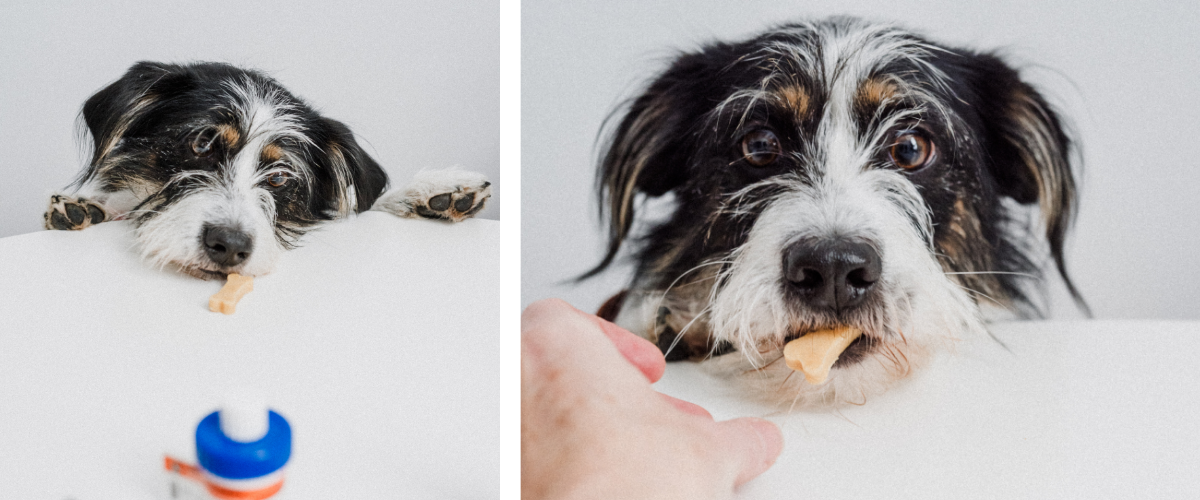
You hide the medication in your pet’s favourite food.
They eat every bite around it.
You try again. This time, they refuse the entire meal.
Or maybe you attempt a liquid dose and somehow end up wearing more of it than your pet swallows.
Giving medication to an animal is rarely as simple as the instructions make it sound. Cats and dogs have an impressive ability to notice when something seems different, especially when a strange taste or smell appears in food they usually love.
If your pet won’t take their medication, you have options. The answer might involve changing how the medication is prepared.
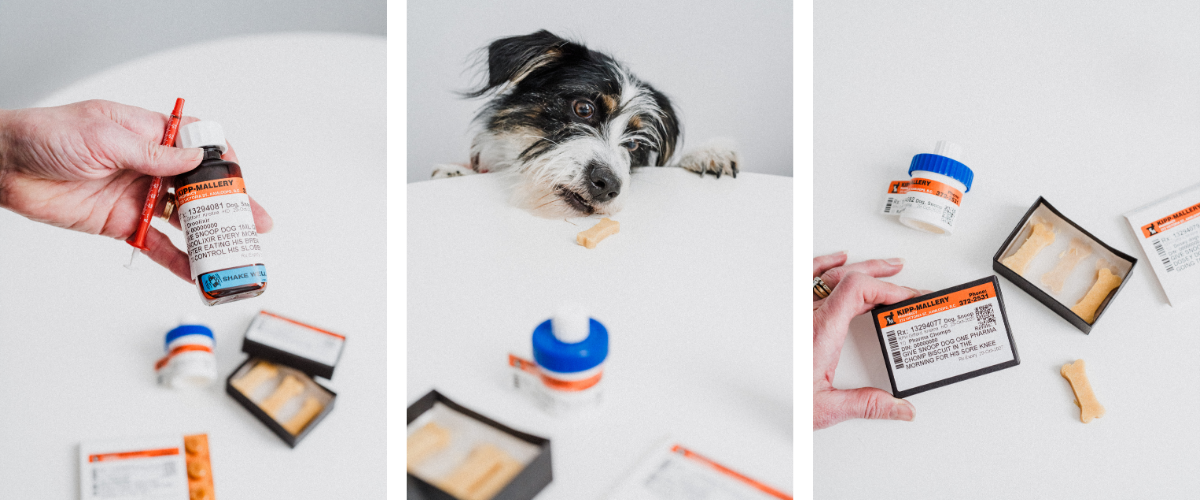
Why Do Pets Refuse Medication?
Your pet is not trying to make your day difficult, even when it feels personal.
Animals often refuse medication because of its:
- Taste
- Smell
- Texture
- Size
- Method of administration
The experience itself can also cause stress. Some pets become anxious when restrained, have their mouths handled, or see the same syringe appear each day.
Once they connect a certain food, routine, or person with an unpleasant experience, the next dose often becomes harder.
What Should You Try When Your Pet Refuses Medication?
Many pet owners begin with simple workarounds, such as hiding a tablet in food, using a pill pocket, or offering a treat immediately afterward.
These approaches work well for some animals. Others learn to lick around the medication, spit it onto the floor, or stop trusting the food altogether.
Before crushing, splitting, or opening any medication, speak with your veterinarian or pharmacist. Changing a medication without professional guidance can affect how it should be given or how your pet receives the dose.
When the usual tricks keep failing, the problem might not be your technique. The form of the medication might not suit your pet.
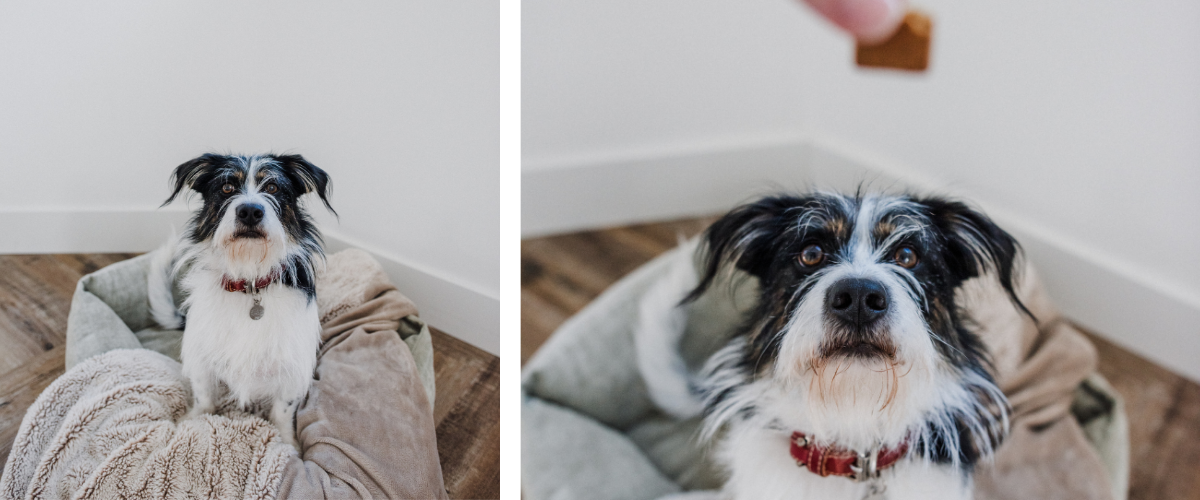
Veterinary Compounding Offers Another Option
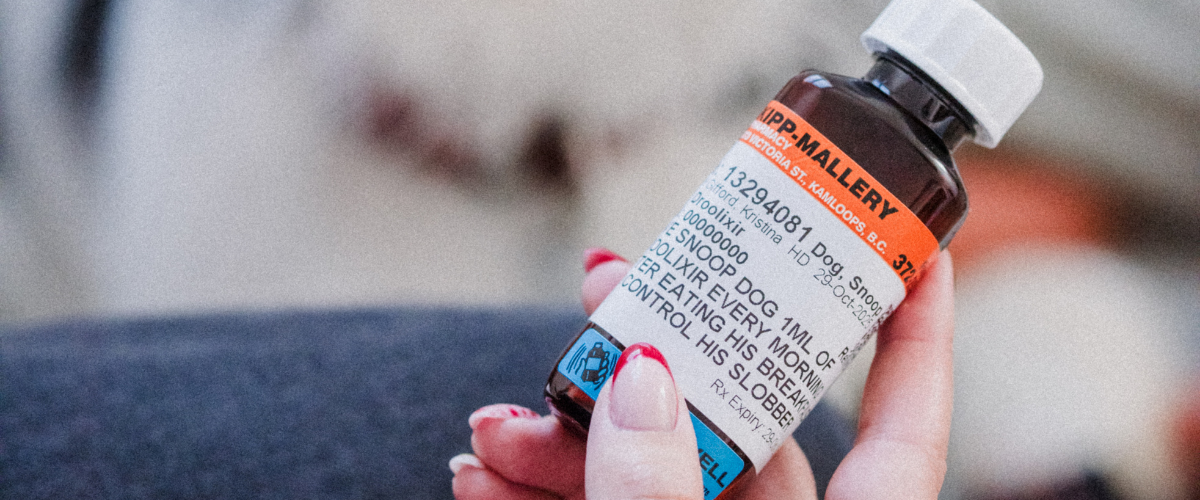
Veterinary compounding allows a specially trained pharmacy team to prepare a prescribed medication in a different strength, form, or flavour.
The goal is to find an option suited to your pet’s needs and your veterinarian’s treatment plan.
At Kipp-Mallery Pharmacy, our compounding team works closely with veterinarians when standard medication options are difficult to administer or are not the right fit for an animal.
Depending on the prescription and what your veterinarian recommends, your pet’s medication might be prepared as:
A Flavoured Liquid
A liquid offers flexible dosing and might feel easier to give than a tablet. Pet-friendly flavours can also make the experience more acceptable for some animals.
A Chewable Treat
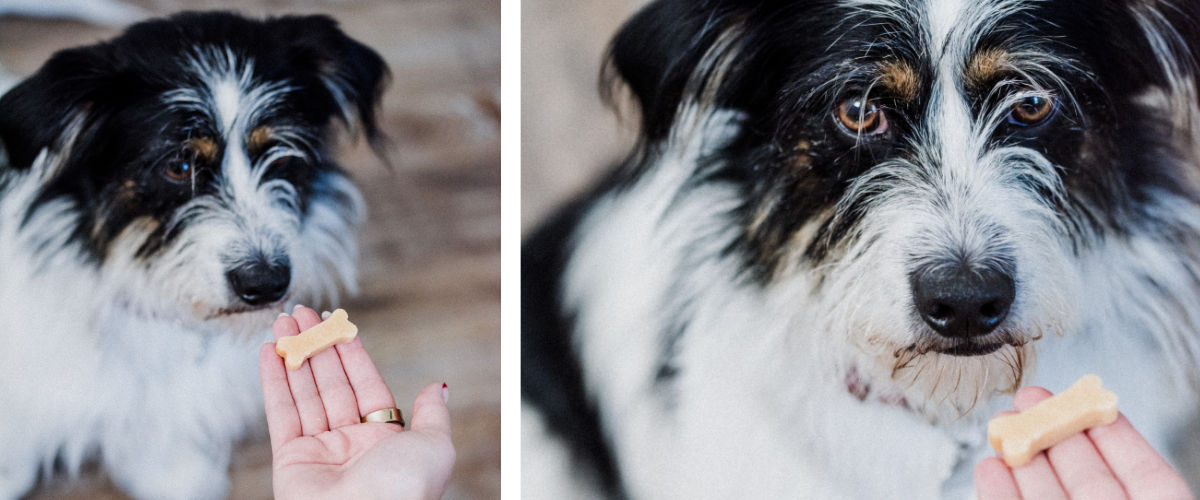
For pets that respond well to treats, certain prescriptions can be prepared in a chewable form that feels more familiar and rewarding.
A Transdermal Gel
Some medications can be prepared as a gel absorbed through the skin. This option is often considered for cats who strongly resist oral medication.
The gel is typically applied according to the pharmacist’s directions, often to the inner surface of the ear. Not every medication is appropriate for this form, so your veterinarian and compounding pharmacist will determine whether it suits your pet’s prescription.
A Custom-Strength Capsule
Animals come in a wide range of sizes, from tiny birds to large dogs and horses. A custom-strength capsule allows the pharmacy to prepare the prescribed amount for the animal’s species and size.
Kipp-Mallery also offers suspensions and topical preparations when directed by a veterinarian.
Does Veterinary Compounding Work For Different Health Concerns?
This might include veterinarian-directed care related to:
- Thyroid conditions
- Pain and mobility
- Anxiety or behavioural concerns
- Arthritis and inflammation
- Skin and coat concerns
- Ingredient sensitivities
Whether a medication can be compounded depends on the prescription, the animal, and the veterinarian’s instructions.
Kipp-Mallery prepares compounded prescriptions for dogs, cats, horses, birds, and exotic pets.
Your Veterinarian And Pharmacist Work Together
Veterinary compounding is a collaborative process.
Your veterinarian assesses your pet, determines the appropriate treatment, and writes the prescription. The compounding pharmacy then prepares the medication according to those instructions.
This partnership matters because each animal has different needs. Species, size, sensitivities, health concerns, and treatment goals all affect which option makes sense.
Kipp-Mallery has served Kamloops for more than 70 years, and our team has become known for helping with health-care needs that are complex, uncommon, or difficult to solve through standard options. Our pharmacists, pharmacy technicians, nurses, and other health-care professionals work collaboratively to help patients, including the four-legged and feathered members of local families.
How To Get Compounded Pet Medication In Kamloops
Getting started involves four steps:
- Speak with your veterinarian. Ask whether a compounded form might make your pet’s medication easier to administer.
- Send the prescription to Kipp-Mallery. Your veterinarian can send it directly to any Kipp-Mallery location, or you can bring the prescription to the pharmacy.
- Review the quote. Our team will provide the cost before preparation begins.
- Arrange pickup or delivery. Most compounded prescriptions are ready within 24 to 48 hours. Timing depends on the prescription and preparation required.
Veterinary compounding is available through all three Kipp-Mallery locations in Downtown Kamloops, Dallas, and Landmark.
If medication time has turned into a daily struggle, speak with your veterinarian or contact our pharmacy team. A different flavour, strength, or form might make the routine more manageable for you and your pet.
Frequently Asked Questions
Can a pharmacy make my cat’s medication into a liquid?
Some prescribed medications can be compounded into a flavoured liquid or suspension. Whether this option suits your cat depends on the medication and your veterinarian’s instructions.
Your veterinarian can send the prescription to Kipp-Mallery so our compounding team can review the available options.
What is a transdermal gel for cats?
A transdermal gel is a compounded preparation designed to deliver certain medications through the skin. For cats, the prescribed amount is often applied to the inner surface of the ear according to the pharmacist’s directions.
Not every medication works in this form. Your veterinarian and pharmacist will confirm whether a transdermal option is appropriate.
Do I need a prescription for compounded pet medication in Kamloops?
Yes. Compounded pet medications require a prescription from a licensed veterinarian.
Your veterinarian can send the prescription directly to any Kipp-Mallery location, or you can bring it to the pharmacy.
How long does it take to prepare a compounded pet medication?
Most compounded prescriptions at Kipp-Mallery are ready within 24 to 48 hours. Preparation time depends on the prescription and the type of compound required.
Our team will confirm the expected timeline when reviewing the prescription.
Does Kipp-Mallery compound medication for dogs and cats?
Yes. Kipp-Mallery prepares veterinarian-prescribed compounded medications for dogs and cats, as well as horses, birds, and other exotic pets.
Available forms include flavoured liquids, chewable treats, transdermal gels, custom-strength capsules, suspensions, and topical preparations. The available options depend on the prescription and the veterinarian’s directions.